
Stress Management Techniques: Practical Ways to Handle Everyday Pressure
- 6 days ago
- 6 min read
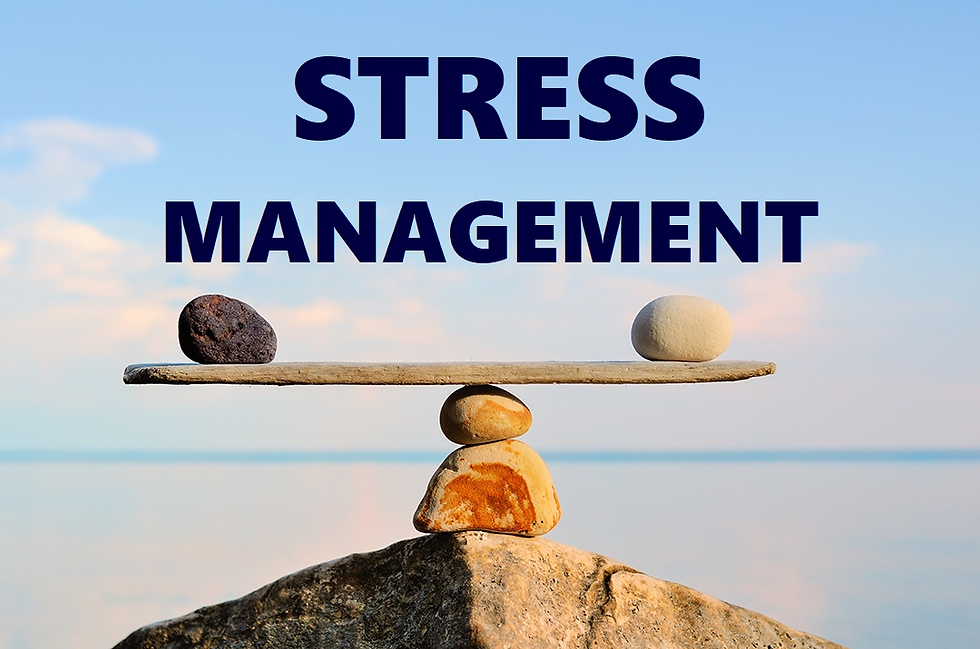
Stress Management Techniques can help people respond to everyday pressure in healthier and more balanced ways. School, work, relationships, responsibilities, deadlines, and major life changes can all create stress. While some stress is a normal part of life, constant or overwhelming pressure can make it harder to concentrate, sleep well, relax, or enjoy everyday activities.
The good news is that stress can often be managed through practical habits. Understanding what triggers stress, organizing responsibilities, staying physically active, getting enough rest, and making time for enjoyable activities can all contribute to better coping.
Understanding Everyday Stress
Stress is the body's response to situations that feel demanding or challenging. A stressful situation can produce temporary changes such as increased alertness, faster breathing, or muscle tension.
Short-term stress can sometimes help a person focus on an important task. Problems are more likely when pressure becomes frequent, intense, or difficult to manage.
Common sources of everyday stress include:
Academic pressure and examinations
Deadlines and busy schedules
Family or friendship difficulties
Lack of sleep
Major changes in routine
Financial or household concerns
Feeling unable to control important situations
Identifying the source is often the first step toward finding a useful response.
Stress Management Techniques for a Busy Schedule
When responsibilities pile up, trying to handle everything simultaneously can increase pressure.
A simple approach is to divide larger responsibilities into smaller tasks. Write down what needs to be done and identify which tasks are most urgent.
For example, instead of thinking, "I have too much studying to do," create smaller goals such as completing one chapter, reviewing specific notes, or practicing a set of questions.
Small, achievable steps can make a large responsibility feel more manageable.
Use a Realistic To-Do List
A useful to-do list should reflect the time and energy you actually have.
Prioritize important tasks rather than filling every available minute. Leave some flexibility for unexpected events and breaks.
Productivity is not about staying busy every second. Rest is also part of maintaining a sustainable routine.
Deep Breathing and Relaxation
Simple breathing exercises can help create a short pause during stressful moments.
Try sitting comfortably, relaxing your shoulders, and taking slow, comfortable breaths. Pay attention to the movement of your breathing instead of concentrating on the stressful thought.
Other calming activities can include quiet reading, listening to music, gentle stretching, or spending a few minutes in a peaceful environment.
These techniques do not remove the cause of stress, but they can help you create space to respond more calmly.
Physical Activity and Stress
Regular physical activity can support both physical and mental well-being.
Walking, cycling, playing a sport, dancing, swimming, or another enjoyable activity can provide a break from academic or daily responsibilities.
You do not need an extreme exercise routine. The goal is regular movement that fits comfortably into your life.
For young people, physical activity can also provide opportunities for social connection and recreation.
Sleep and Emotional Well-Being
Sleep and stress can influence each other.
When someone is stressed, falling asleep may become more difficult. At the same time, insufficient sleep can make everyday challenges feel harder to manage.
Maintaining a consistent sleep schedule, creating a relaxing bedtime routine, and reducing stimulating activities close to bedtime can support healthier sleep habits.
Teenagers generally need 8 to 10 hours of sleep per 24 hours, according to the American Academy of Sleep Medicine.
Stress Management Techniques and Screen Time
Phones and social media can be useful for communication and entertainment, but constant notifications can make it difficult to mentally switch off.
Consider creating periods during the day when notifications are reduced and attention is focused on one activity.
A short break from social media can also provide an opportunity to study, exercise, talk with someone, or simply relax without continuously checking updates.
The goal is not necessarily to avoid technology completely. It is to make sure technology does not control every part of your attention.
Talking to Someone You Trust
Stress often feels more manageable when you do not have to handle it alone.
Talking with a trusted parent, guardian, teacher, friend, school counselor, or another supportive adult can help you explain what is bothering you and consider possible solutions.
You do not need to have a perfect explanation before starting the conversation.
Sometimes simply putting a problem into words can make it easier to understand.
Make Time for Enjoyable Activities
Relaxation does not have to be complicated.
Reading, drawing, playing music, spending time with friends, pursuing a hobby, playing a sport, or enjoying time with family can provide healthy breaks from responsibilities.
These activities are not a waste of time. Regular opportunities for recreation can help create a more balanced routine.
Stress Management Techniques for Exam Pressure
Examinations can create significant pressure for students.
Instead of trying to study everything at once, create a realistic study plan and divide subjects into manageable sessions.
Useful strategies include:
Start preparing before the final days whenever possible.
Break large chapters into smaller sections.
Take regular short breaks.
Practice questions rather than only rereading material.
Get sufficient sleep before an examination.
Ask a teacher for clarification when something is confusing.
Comparing yourself constantly with classmates can also increase unnecessary pressure. Focus on your own preparation and progress.
Learn to Recognize What You Can Control
Some sources of stress can be changed directly, while others cannot.
For example, you may be able to control how you prepare for an examination, but you cannot control every question that appears on the paper.
Separating controllable problems from uncontrollable ones can help you decide where to put your energy.
Ask yourself:
What can I change right now?
Then focus on the next practical step rather than trying to solve everything simultaneously.
Avoid Unhealthy Coping Strategies
When people feel overwhelmed, they may look for quick ways to escape uncomfortable emotions.
Some coping behaviors can create additional problems rather than solving the original source of stress.
Healthy coping generally focuses on activities such as movement, rest, communication, hobbies, planning, and seeking support.
If stress feels overwhelming, reaching out to a trusted person is a stronger option than trying to handle everything alone.
Building a Sustainable Stress-Management Routine
Effective coping does not require changing your entire lifestyle overnight.
Start with one or two manageable habits.
For example:
Morning: Follow a consistent routine and allow enough time to prepare without rushing.
Daytime: Take short breaks between demanding tasks and stay physically active.
Evening: Complete essential responsibilities, spend some time doing something enjoyable, and prepare for the following day.
Before sleep: Reduce stimulating activities and give yourself time to relax.
The best routine is one you can realistically maintain.
When to Ask for Extra Support
Everyone experiences stress, but persistent or overwhelming stress deserves attention.
If stress regularly interferes with sleep, school, relationships, concentration, or daily activities, talk to a trusted adult or qualified mental-health professional.
You do not need to wait until things become unbearable before asking for help.
Seeking support is a practical step toward dealing with a difficult situation.
Frequently Asked Questions
What are stress management techniques?
They are practical strategies that help people cope with pressure and regulate their responses to stressful situations. Examples include planning, physical activity, relaxation, healthy sleep habits, and talking with supportive people.
What is the fastest way to feel calmer when stressed?
Taking a short pause, slowing your breathing, stepping away from the immediate source of pressure when possible, and talking to someone you trust can help you regain a sense of control.
Can exercise reduce stress?
Regular physical activity can support mental well-being and may help people manage stress. Choose activities that are enjoyable and appropriate for your abilities.
Does sleep affect stress?
Yes. Poor sleep can make it harder to cope with everyday challenges, while stress itself can interfere with sleep. Maintaining consistent sleep habits can help break this cycle.
When should I ask someone for help?
If stress is persistent, overwhelming, or interfering with your daily life, speak with a trusted adult, school counselor, doctor, or qualified mental-health professional.
Conclusion
Stress Management Techniques are most effective when they become practical, sustainable habits rather than emergency solutions used only when pressure becomes overwhelming. Planning responsibilities, taking meaningful breaks, staying active, getting enough sleep, limiting distractions, enjoying hobbies, and communicating with supportive people can all help build healthier ways of coping.
There is no single technique that works for everyone. The important step is to identify what helps you respond to pressure constructively and make those habits part of your regular routine. When stress becomes difficult to manage alone, asking for support is an important and responsible choice.


Comments